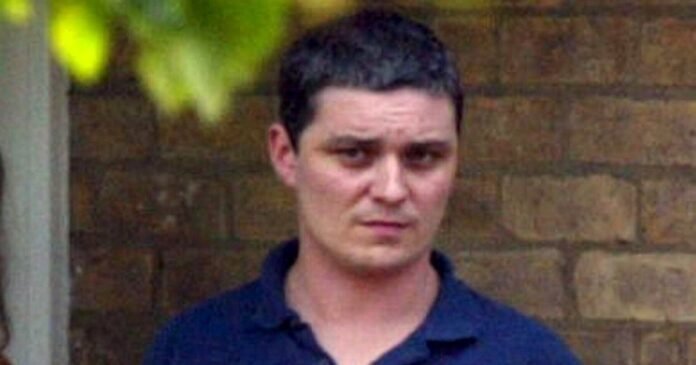

Over 42,000 individuals have signed a petition opposing the use of public funds for the funeral of Ian Huntley, the convicted Soham murderer. The petition, entitled ‘Do not use public money to fund a funeral or memorial for Ian Huntley,’ quickly gathered over 40,000 verified signatures within two days of its launch on Sunday. Huntley, aged 52, passed away at the Royal Victoria Infirmary in Newcastle after being assaulted with a metal bar at HMP Frankland on February 26.
Pressure has mounted on Justice Secretary David Lammy to ensure that taxpayer or prison service funds do not cover any funeral or prison memorial costs for Huntley. Existing Ministry of Justice guidelines typically allocate up to £3,000 of public money toward funeral expenses for deceased prisoners in custody, with a mandated memorial service organized by the prison chaplaincy.
Carly Batley, 47, from Deal in Kent, initiated the petition on Change.org, urging the Ministry of Justice to waive the £3,000 contribution for Huntley’s funeral costs, cancel any planned prison memorial service, and reconsider the automatic application of death-in-custody provisions for individuals convicted of severe crimes against children. Batley emphasized the systemic failures that allowed Huntley access to children, stating that the families of Holly and Jessica, the murder victims, deserve better.
Huntley’s own daughter, Samantha Bryan, expressed her belief that her father does not deserve a funeral or a grave, suggesting that his ashes should be disposed of. Bryan, who discovered Huntley was her father at 14, emphasized that using public money for ceremonies honoring him sends the wrong message to families and the public.
Former prison governor and criminal justice expert Ian Acheson noted that Lammy possesses the authority to overrule prison service policies regarding memorial services. The Ministry of Justice previously used the scheme to fund the funerals of other infamous criminals, such as Peter Sutcliffe, known as the Yorkshire Ripper.
In response to Huntley’s demise, the Ministry of Justice acknowledged the profound impact of the Soham murders, which exposed significant deficiencies in police vetting and child protection systems. The case prompted substantial reforms in intelligence sharing among police forces, leading to the Bichard Inquiry initiated by Lord Blunkett to investigate child protection procedures in Humberside Police and Cambridgeshire Constabulary.
The inquiry revealed extensive errors and shortcomings in record-keeping, vetting practices, and information sharing within the involved authorities, prompting the establishment of the Police National Database in 2011. Sir Michael Bichard highlighted the systemic failures that allowed Huntley to slip through the cracks, underscoring the urgent need for improved safeguarding measures to prevent similar tragedies in the future.