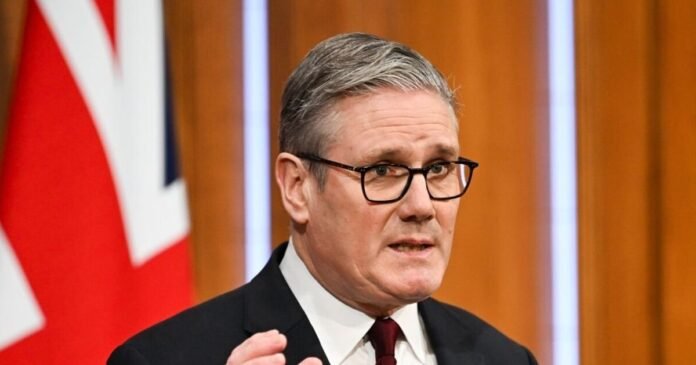

Drivers are advised to continue refueling as usual despite a global watchdog’s call for reduced fuel consumption, according to a statement from No10.
The UK Government has encouraged citizens to maintain their regular routines amid concerns over escalating costs linked to the conflict in the Middle East. This stance follows the International Energy Agency (IEA) recommending measures such as lowering speed limits, promoting carpooling, and advocating for remote work to curb fuel demand.
The IEA’s plea for immediate demand reduction is aimed at countries worldwide, excluding the UK, as stated by the Prime Minister’s official spokesperson. The UK is assured of a robust and diverse fuel supply chain, with both the air and fuel industries confirming uninterrupted fuel production and imports.
When questioned about potential emergency interventions to alleviate the financial strain on the public, the PM’s spokesperson emphasized ongoing monitoring of the situation. The Government’s primary focus is on collaborating with global allies to de-escalate tensions in the Middle East, aiming to mitigate the impact of the conflict on domestic living costs.
In a separate interview on Times Radio, Environment Secretary Emma Reynolds emphasized the government’s composed approach, advising against immediate austerity measures. Wholesale gas prices in Europe have surged twofold following the outbreak of the Middle East crisis, spiking by 35% after recent attacks on energy facilities.
The conflict saw Tehran targeting Qatar’s Ras Laffan plant in retaliation for strikes on Iran’s South Pars gas field by Israel. US President Donald Trump responded by issuing threats against Iran’s gas fields in case of further provocations.
EDF, a prominent UK energy producer, has cautioned that energy bills are projected to rise by over £300 for the upcoming year.