
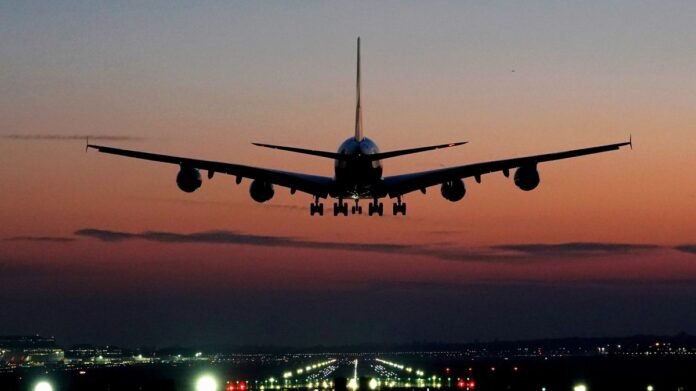

Cathay Pacific has announced significant flight cancellations during the early summer months due to the fuel crisis triggered by recent geopolitical tensions. The airline, known for operating a substantial number of flights monthly, disclosed that approximately two percent of its flights will be grounded from May 16 to June 30, impacting numerous routes and thousands of passengers.
These cancellations are anticipated to impact various regional and long-haul flight routes connecting destinations in Australia and South Asia. Cathay Pacific emphasized that the decision to cancel flights was a last resort driven by escalating costs, particularly attributed to the surge in jet fuel prices globally following the events surrounding the Iran conflict and the closure of the Strait of Hormuz. Concurrently, its subsidiary, HK Express, is set to reduce flight operations by six percent.
The airline assured affected customers of alternative flight arrangements within 24 hours of their original schedules. The ongoing geopolitical uncertainties in the Middle East have significantly influenced jet fuel prices, exerting immense financial pressure on airlines worldwide. The strategic Strait of Hormuz, crucial for global oil and gas transportation, has witnessed minimal vessel traffic since the conflict erupted, leading to fuel price spikes and shortages globally.
Cathay Pacific joins other major airlines like Air New Zealand, SAS, and United Airlines in implementing substantial flight cancellations. In response to the fuel crisis, Italian airports have imposed fuel restrictions, and UK-based Skybus ceased Cornwall to London flights due to low demand and rising costs.
Ryanair has also issued cautionary statements, with CEO Michael O’Leary expressing concerns about potential flight cancellations in May and June due to fuel supply risks in Europe. The industry faces uncertainties until the resolution of the ongoing conflicts, with hopes that the situation will stabilize to avoid severe disruptions in fuel supply chains.
Furthermore, ACI Europe, the airport lobby group for Europe, warned of depleting jet fuel reserves that could run out in a few weeks if the situation in the Strait of Hormuz does not improve promptly. United Airlines CEO Scott Kirby echoed similar sentiments, highlighting the looming risk of fuel shortages in parts of Asia.
The aviation industry continues to navigate challenges amid geopolitical tensions and escalating fuel costs, emphasizing the critical need for stability in global fuel supply chains to avert potential disruptions.