

Flying can be a source of anxiety for many individuals, with a significant portion expressing fear of air travel. Turbulence is often a key trigger for this unease, causing discomfort and apprehension among passengers. However, a seasoned pilot has shared insights to help alleviate the concerns of nervous flyers.
Regardless of whether the flight is short or long, turbulence is a common occurrence that is typically benign and a result of the aircraft encountering varying air currents. While turbulence is likened to a rough road or choppy waters, the inability to visually perceive the situation can exacerbate feelings of anxiety among travelers, especially those not seated in the cockpit.
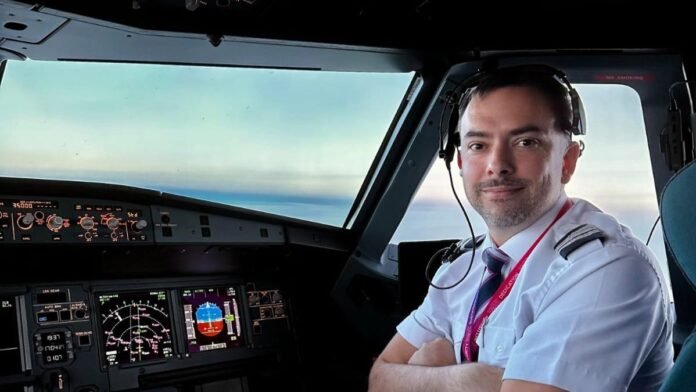
With four years of experience as a Wizz Air pilot and having flown over 750 flights to more than 50 countries, Tom Copestake is well-versed in handling turbulence and offering advice to passengers. Tom empathized with those uncomfortable during turbulence, emphasizing the challenge of navigating unseen air disturbances while reassuring passengers that pilots aim to avoid turbulent areas whenever possible.
Explaining the dynamics of turbulence, Tom likened it to the meeting of different air masses, akin to bodies of water merging. While turbulence can be unpredictable, pilots utilize systems to anticipate and communicate areas of turbulence, adjusting flight altitude to minimize its effects.
For passengers seeking a smoother experience, Tom recommended sitting closer to the middle of the plane, where the impact of turbulence is less pronounced compared to seats at the front or rear. He highlighted that even pilots experience turbulence due to the nature of flight dynamics.
Assuring travelers of the aircraft’s resilience to turbulence, Tom emphasized that discomfort during turbulence is temporary and manageable. Turbulence can occur not only during cruising but also during takeoff and landing, influenced by factors such as airport layout and ground temperature variations.
Regardless of bumpy landings or mid-flight turbulence encounters, passengers are encouraged to trust in the pilot’s expertise and remain calm. Understanding the contributing factors to turbulence and choosing a strategic seat location can help passengers navigate through potentially unsettling moments during air travel.