

Canada and the United States are facing significant differences in ongoing negotiations for a tariff agreement ahead of the upcoming deadline set by U.S. President Donald Trump, according to insider sources. The federal government is cautious about the prospects of an imminent deal due to substantial disagreements between the two parties. Trade Minister Dominic LeBlanc updated provincial and territorial officials on the negotiation status, revealing that significant gaps still exist between Canada and the U.S. on key issues.
Following Trump’s threat to impose a hefty 50 percent tariff on numerous Canadian goods starting August 19, trade discussions between Canada and the U.S. have intensified. There is growing skepticism on the Canadian side, with reports indicating that the U.S. has not shifted from its latest proposal. The American offer includes reducing sectoral tariffs on automobiles to 12.5 percent, a move deemed inadequate by Canadian negotiators.
Quebec’s Economy Minister Bernard Drainville, briefed by LeBlanc, echoed the sentiment of a substantial divide between the two nations. Erin O’Toole, an ex-Conservative leader and advisory committee member, concurred that the negotiation positions of Canada and the U.S. are still significantly distant.
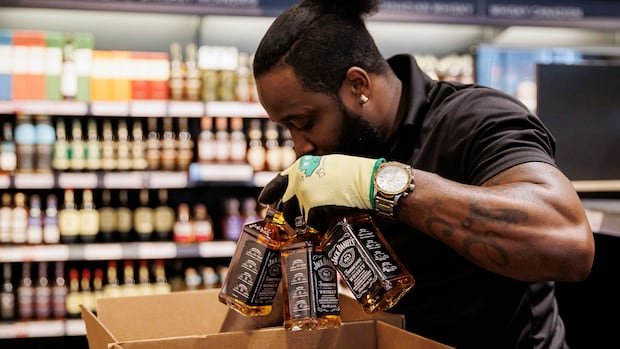
LeBlanc has informed provincial authorities to prepare for the potential reintroduction of American alcohol if a trade agreement is reached. Additionally, provinces and territories have been advised to be ready to abandon retaliatory procurement regulations favoring Canadian suppliers if a deal materializes. Trump’s concerns about provincial alcohol bans, dairy quotas, and auto tariffs have been central to the tariff threats.
The ongoing discussions are focused on a proposed deal that would prevent new U.S. tariffs while partially reducing existing sectoral tariffs on Canadian steel, aluminum, autos, and forest products. In return, Canada may need to address issues raised by Trump regarding dairy supply management, a crucial point of contention.
Industry sources have highlighted the critical nature of the looming August 19 deadline, emphasizing that the implementation of 50 percent tariffs could deter further negotiations. U.S. Trade Representative Jamieson Greer described the talks with Canada as productive, with a focus on removing retaliatory measures like alcohol bans.
The imposed booze bans by Canada following Trump’s tariff threats have severely impacted U.S. alcohol exports to Canada, causing substantial losses for American producers. The decline in U.S. wine sales in Canada in 2025 underscores the economic repercussions of the trade dispute.
Ontario Premier Doug Ford has expressed willingness to restore American alcohol sales in his province under fair trade conditions that safeguard Ontario’s key industries. Ford emphasized that tariffs on Canada ultimately affect American citizens, urging a diplomatic resolution to the trade tensions. Despite potential access to American alcohol, some Canadians have indicated a reluctance to purchase these products in light of the ongoing trade dispute.