
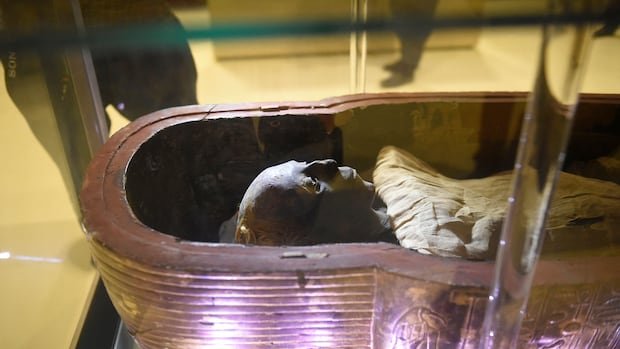

Researchers have uncovered a niche market for preserved human remains being traded online, raising concerns over potential health risks associated with this unusual hobby. Lead author Kirsty Squires and her team analyzed 128 web posts between 2015 and 2025 showcasing the sale of mummified remains from humans and animals in a study published in the International Journal of Cultural Property.
According to Squires, mummified heads, hands, and feet were frequently advertised in these posts. These preserved body parts can house dormant microorganisms like bacteria, fungi, and yeast, which if mishandled, could pose health hazards. However, experts suggest that collectors knowledgeable about proper handling techniques may not face significant risks.
Safe Handling Practices
The study highlighted that many online images displayed visible signs of deterioration due to poor storage conditions. In contrast, museums maintain controlled environments to preserve mummies effectively. Improperly stored remains can release fungal spores and bacteria into the air when handled, potentially affecting individuals with compromised immune systems.
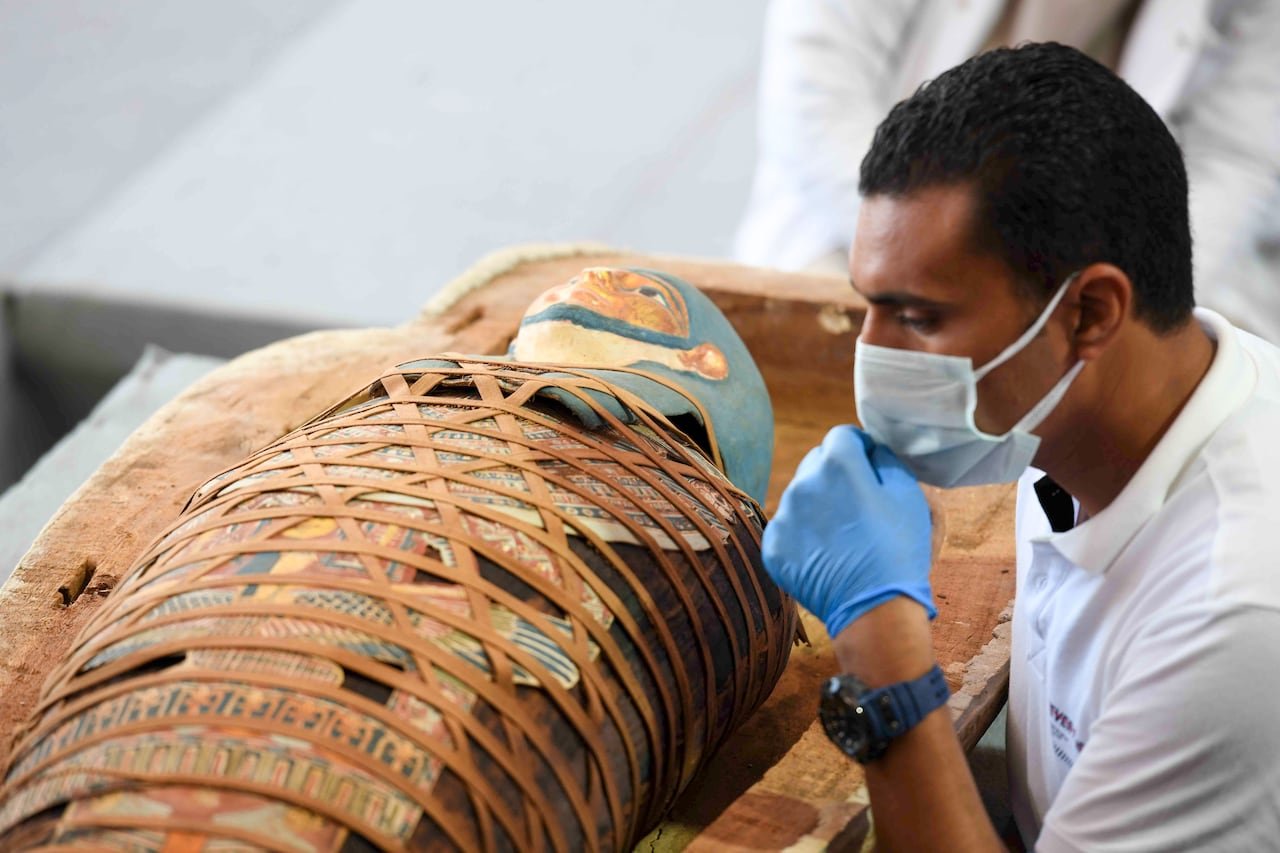
When handling human remains for her research, Squires emphasizes the use of protective gear. However, some sellers in the study were observed not using gloves during handling, which could expose individuals to airborne microorganisms.
Additionally, mummified body parts may contain hazardous chemicals like arsenic and mercury from historical embalming practices, raising further health concerns for potential buyers.
Historical Cases and Concerns
While the study did not report specific cases of illness from handling online-sold human remains, historical incidents shed light on potential risks. In past events, exposure to airborne mould spores from ancient tombs led to fatal outcomes, emphasizing the importance of cautious handling practices.
James Scott, a public health professor, believes ethical considerations surrounding the trade of human remains are more pressing than health risks. He suggests that collectors who handle mummified remains safely pose minimal health threats.
Market Trends in Canada
Out of the examined online posts, 11 originated from Canada, reflecting the presence of sellers in the country’s market. Shawn Graham, a digital archaeology expert, notes the lack of significant regulations governing the sale of human remains in Canada, highlighting potential loopholes in monitoring and oversight.
Despite restrictions from shipping companies like Canada Post, Purolator, and UPS on transporting human remains, sellers can exploit ambiguous labeling to bypass regulations. This loophole raises concerns over the safety of postal workers and the general public.
Contemplating a Ban on Online Trade
Graham advocates for stricter regulations on the trade of human remains, citing the colonialist undertones and ethical implications of commodifying ancestral bodies. With recent legislative efforts in the UK to ban online sales of human remains, Graham urges Canada to consider similar measures to prevent the objectification of human remains.