
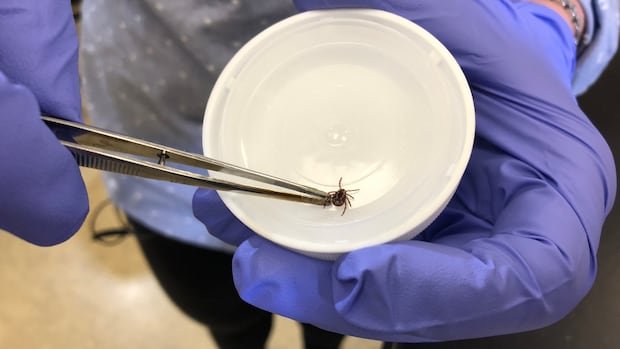

A research lab at Acadia University in Nova Scotia has been granted $1.2 million by the provincial government to further their studies on preventing and managing tick-borne diseases. Nicoletta Faraone, who heads the Canadian Tick Research and Innovation Centre, expressed the importance of this funding in establishing the lab. The allocated funds will primarily support the lab’s surveillance efforts, which aim to identify the types of ticks present in the region, the pathogens they carry, and their responses to repellents and attractants.
Ticks, known for transmitting diseases such as Lyme disease and anaplasmosis through their bites, pose a significant health threat. The lab boasts cutting-edge equipment that will expedite the process of testing for pathogens. Faraone emphasized that the ultimate goal is to enhance knowledge about ticks and bolster preparedness in reducing the risk of tick bites.
The financial support stems from Research Nova Scotia’s Focused Research Initiative, funded by the Department of Advanced Education. Stefan Leslie, CEO of Research Nova Scotia, highlighted the importance of addressing tick-borne diseases due to their increasing prevalence among humans and animals.
Recent data from the Public Health Agency of Canada revealed a surge in Lyme disease cases nationwide, with over 5,800 reported instances in 2024, including 2,350 cases in Nova Scotia alone. Additionally, other tick-borne illnesses like anaplasmosis are also on the rise, with reported cases escalating from 317 to 681 in Nova Scotia since the disease was listed as notifiable in 2023.
Acadia University disclosed that the federal government is contributing $455,000 through the Atlantic Canada Opportunities Agency to support the project. This additional funding will enable the lab to sustain its initiative to breed ticks internally, a significant advancement from their previous reliance on purchasing ticks from an external facility in North America.
By locally breeding ticks, researchers can delve into the genetic composition of Canadian ticks and generate revenue by selling specimens to tick researchers nationwide and internationally. Faraone shared that the tickery is operational, with ticks collected throughout different seasons, actively reproducing to establish colonies.
For more details, please refer to the source.