
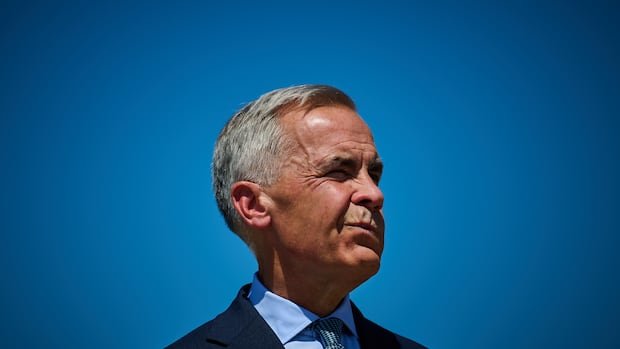

Prime Minister Mark Carney emphasized the sensitivity and intensity of last-minute discussions with the U.S. to prevent new tariffs from being imposed this week. Carney intends to engage with his American counterpart within the next 48 hours to reach a mutually beneficial agreement. Refraining from divulging specific negotiation details publicly, Carney stressed the ongoing robustness of Canada’s position.
When asked about potential retaliatory measures if an agreement is not reached, Carney assured readiness for any scenario. Recent conversations between Carney and U.S. President Donald Trump have been pivotal in navigating trade negotiations effectively.
Canada’s Trade Minister Dominic LeBlanc and chief negotiator Janice Charette have been actively engaged in talks with U.S. Trade Representative Jamieson Greer to avoid impending tariffs while also seeking reductions in existing tariffs on various industrial goods. Following an extended meeting on Monday, it remains uncertain if further discussions at the ministerial level will occur before the tariff deadline.
The negotiation focus revolves around balancing concessions between the two nations. The U.S. aims to address issues such as the availability of American liquor in Canadian stores and the removal of Canadian tariffs on U.S. autos, alongside modifications to the dairy sector. Conversely, Canada is pressing for the elimination of threatened Section 338 tariffs and substantial relief from existing levies.
Despite challenges in negotiations, there have been reported signs of progress. However, the outcome hinges on Trump’s acceptance of revised tariff rates and their impact on affected Canadian industries. Erin O’Toole from the prime minister’s advisory committee highlighted the importance of securing a fair deal beneficial to Canadian workers and the economy.
In the event that the anticipated 50% tariffs come into effect, Canada is preparing to respond accordingly. O’Toole underscored the negative repercussions of escalating tariff conflicts, emphasizing the need to avert detrimental impacts on both economies and workers.