
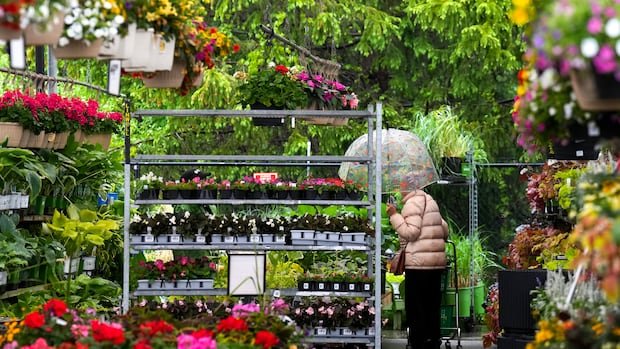

Canadian cities are taking steps to prevent the sale of invasive plants in local garden centers, while advocates are urging the Canadian government to establish a national framework for regulating the horticultural industry. Invasive plants pose a threat to biodiversity nationwide, prompting municipalities to address gaps in the current regulatory system, which varies by region. Canada has set a goal to reduce the introduction and establishment of known invasive species by at least 50 percent by 2030.
The Canadian Coalition for Invasive Plant Regulation (CCIPR) is calling for the creation of a regulatory body by the federal government for the horticultural sector and the development of a national database that identifies invasive plants and their associated risks in different areas. CCIPR co-founder Cathy Kavassalis emphasized the importance of informing the public about potential harm from invasive plants, drawing parallels to other regulated products.
The Canadian Food Inspection Agency oversees some invasive plants under the Plant Protection Act, while individual provinces and territories have their own legislation for managing invasive species or weeds. The CFIA stated that their approach focuses on species-specific risks rather than a blanket prohibition, allowing for restrictions on the import, sale, possession, and movement of regulated pest plants sold for ornamental purposes.
While regulatory actions are considered part of the solution, the management of invasive plants is a collaborative effort involving federal and provincial authorities, municipalities, industry stakeholders, and invasive plant organizations. The potential implementation of broader federal restrictions would be contingent on the specific risks posed by invasive species and the existing legislative authority.
Recent municipal initiatives include Nanaimo’s motion to pursue a bylaw amendment restricting the sale of invasive plants listed by the Invasive Species Council of B.C. and Surrey’s ban on sales by various businesses. In London, the environmental committee recommended that retailers selling invasive plants provide customers with information at the point of sale.
Advocates like Kavassalis underscore the need for comprehensive government involvement to address the issue efficiently, rather than burdening municipalities with fragmented solutions. Kirsty MacDonald, Nanaimo’s parks manager, highlighted the impact of invasive plants on local landscapes and potential human health risks, emphasizing the importance of multi-faceted approaches to mitigate the problem.
Looking ahead, Kavassalis stressed the necessity of addressing the horticultural trade to meet the federal government’s 2030 target. Studies have highlighted the sale of non-native ornamental plants as a primary pathway for introducing invasive species. Advocates are calling for a national database to provide stakeholders with information on regional plant risks and support the removal or clear labeling of invasive plants.
Expert opinions, such as those from horticulture specialist Jim Hole, suggest that most garden centers would support efforts to curb the spread of invasive plants, with an emphasis on research, regulation, and public education. Native plant advocate Lorraine Johnson emphasized the role of nurseries in influencing consumer choices and the importance of promoting native plant gardens to support biodiversity.
Regulating garden centers can also help raise awareness among gardeners and combat “plant blindness,” encouraging the public to view their gardens as integral parts of the broader ecosystem.