
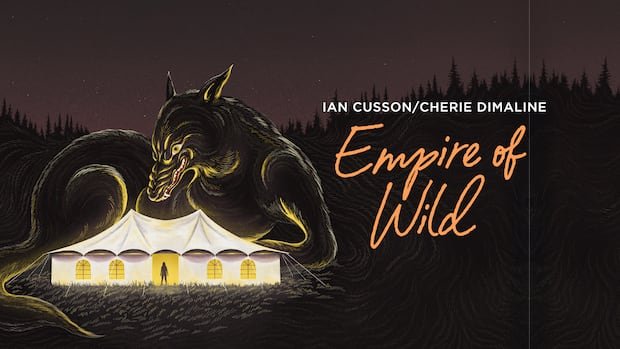

In “Empire of Wild” by Cherie Dimaline, a tale unfolds involving three generations of women striving to rescue their loved one from the clutches of the werewolf-like Rogarou. Their mission is to find a missing husband and safeguard their territory from corporate interests. This compelling narrative, filled with grit, sensuality, and drama, claimed the top spot at Indigo for 2019, surpassing renowned works like Margaret Atwood’s “The Testaments” and Taylor Jenkins Reid’s “Daisy Jones & The Six.”
A significant investment of approximately $4 million is underway to transform the book into an opera, led by an Indigenous creative team. The grand world premiere is set for next spring in Toronto, aiming to attract a fresh audience, including opera newcomers, while potentially challenging traditionalists favoring the classical repertoire.
Set in the Georgian Bay Métis community of Penetanguishene, where author Cherie Dimaline hails from, “Empire of Wild” resonates deeply with composer Ian Cusson, also a native of the area. He identified elements of the Rogarou from childhood tales shared by his mother, infusing a personal connection into the opera’s musical adaptation.
The collaboration between Dimaline and Cusson prioritizes the portrayal of contemporary characters that modern audiences can relate to. The narrative features diverse personalities, including queer individuals and a blue-collar family, navigating extraordinary circumstances in their lives. The opera script includes colloquial language, including profanity and humor, departing from conventional operatic norms to offer a more dynamic and engaging experience.
Innu soprano Elisabeth St-Gelais embodies the lead role of Joan, a character grappling with personal struggles and resilience, reflecting themes of power and resistance central to the story. The narrative delves into the dynamics of intergenerational support along matrilineal lines, emphasizing the significance of ancestral wisdom and unity in overcoming challenges.
The opera’s diverse cast, including talents like Marion Newman and Evan Korbut, brings a range of cultural perspectives to the forefront, enriching the storytelling with unique insights and experiences. Through their performances, the artists highlight themes of survival and resilience inherent in Indigenous narratives, showcasing a blend of tradition and innovation.
As the opera production unfolds, guided by Indigenous creators like costume designer Jeff Chief and director Yvette Nolan, a collaborative and inclusive approach to artistic expression emerges. This holistic method of creation fosters equality of voices and contributions, emphasizing the value of each individual’s input in the creative process. Composer Ian Cusson envisions this inclusive model as a blueprint for future opera productions, advocating for its widespread adoption within the artistic community.