
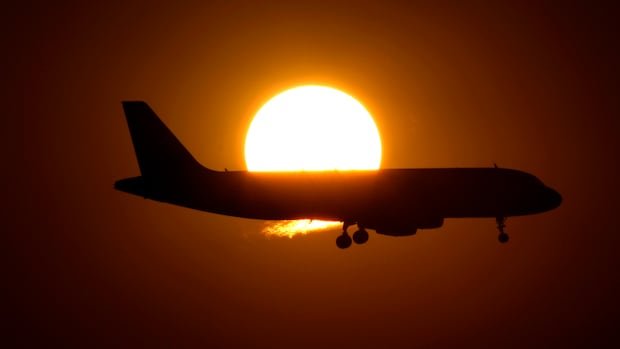

A recent study revealed that flight attendants and pilots face a higher risk of radiation-related cancers compared to individuals working with radioactive materials. Cosmic radiation, originating from space, poses a greater exposure risk to individuals operating at high altitudes. Previous research hinted at elevated cancer death rates among frequent flyers, especially pilots and flight attendants.
The study, published by JAMA Internal Medicine, analyzed data from over 12 million death certificates, focusing on occupations linked to radiation-related cancers like leukemia, lymphoma, and skin, breast, thyroid, prostate, and central nervous system cancers. Among over 500 job categories, flight attendants recorded the highest percentage of deaths from radiation-related cancers, with pilots ranking second.
Contrary to cancers unrelated to radiation exposure, flight attendants and pilots exhibited significantly higher odds of dying from radiation-related cancers, supporting the role of occupational radiation exposure. The study also debunked the misconception that excess skin-cancer risk among flight crews stems from sunny layovers, suggesting cockpit environments as crucial exposure sites.
Flight attendants had a 50% higher risk, while pilots had a 36% higher risk of dying from radiation-related cancers compared to the general working population. Despite study limitations, such as exposure quantification challenges, the study emphasized the need to address overlapping exposures like cosmic radiation, UV-A light, and circadian disruption in flight crews.
Jet lag, time zone changes, and irregular work schedules could worsen cancer risks due to disrupted internal clocks. However, the Federal Aviation Administration lacks federal dose limits or monitoring requirements for aircrews’ radiation exposure. The report emphasized the importance of recognizing and managing radiation exposure risks among flight personnel.
Union leaders and health experts advised regular skin examinations and earlier mammograms for women in high-altitude flight roles. They also recommended healthcare providers maintain a heightened awareness of cancer risks when treating pilots and flight attendants. The study underscores the necessity of addressing radiation exposure risks in the aviation industry.