

Five years ago, Abdul Razaq Khan, a former translator and facilitator for Canadian media during the Afghan conflict, received a late-night message from a journalist he had guided through the chaotic streets of Kandahar. Restless in his Kabul residence after the Canadian troop withdrawal from Afghanistan, Khan had transitioned to a position at the American aid agency USAID. In the summer of 2021, with the Taliban making strides towards Kabul, he found himself in a state of uncertainty.
“I had to leave my country. No one leaves their country happily,” Khan reflected, grappling with the loss of his job, home, and homeland amid the rapid downfall of the western-supported government.
Having safely resettled in Canada, Khan considers himself fortunate to have escaped on foot, evading Taliban gunfire as the insurgents seized control of the Afghan capital. His affiliation with Canadian media outlets, primarily The Canadian Press, along with CTV News and Postmedia, had made him a target in Afghanistan.
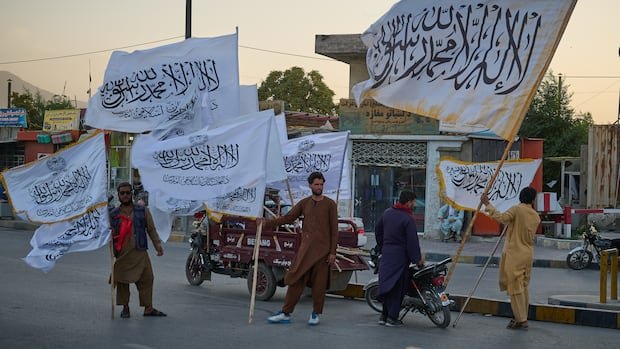
The Taliban’s triumph not only displaced countless Afghans but also ushered in a repressive regime marked by the marginalization of women, curbing of media freedom, and enforcement of strict moral codes through a dedicated ministry.
Zan Times, an Afghan women’s advocacy and human rights group, highlighted a surge in violence against women, with a lack of justice prevailing. The organization’s recent report unveiled alarming statistics, revealing a dismal rate of arrests and swift releases of male suspects in cases of women’s deaths, often falsely labeled as suicides.
Despite Western nations’ inability to directly safeguard women’s rights in Afghanistan post-2021, diplomatic censure and targeted sanctions have been the primary responses. Special humanitarian visa programs were rolled out to evacuate high-risk Afghan women, including judges, activists, journalists, and politicians, albeit with mixed results.
The Allied Ledger report, crafted by Local Staff International and AfghanEvac, assessed the evacuation and resettlement efforts of allied nations, shedding light on the challenges faced in aiding vulnerable Afghans post-Taliban takeover. Canada, for instance, resettled over 60,000 interpreters and their families, surpassing its initial target of 40,000 individuals.
Retired major-general Denis Thompson commended Canada’s resettlement efforts but emphasized the need to extend aid to thousands still at risk under Taliban rule. U.S. Senator Chris Coons underscored the importance of honoring commitments to those who stood by American and NATO forces, urging continued efforts to fulfill promises made during this pivotal chapter of history.