
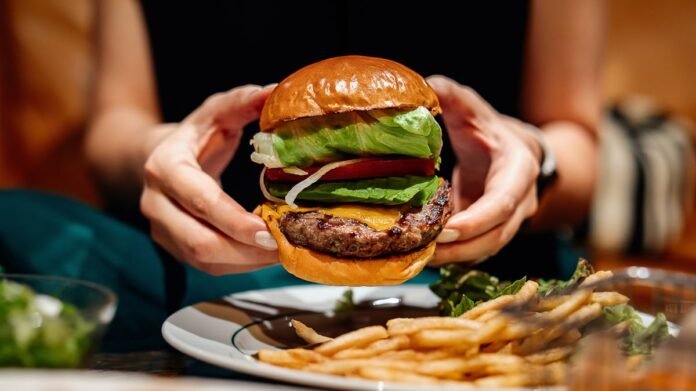

If there’s one indulgence I freely confess to indulging in, it’s food.
My passion lies in culinary creations, meticulously planning weekends around gastronomic experiences. The act of watching someone expertly prepare roast potatoes or slice into a flawlessly cooked steak on social media captivates me for hours. It’s a blend of comfort, inquisitiveness, and increasingly, a wellspring of inspiration.
At MoneyMagpie, where unconventional methods of income augmentation like side hustles, cashback strategies, and unusual monetization avenues are thoroughly scrutinized, I naturally pondered: Can this food obsession actually translate into profit?
The answer is affirmative, albeit not in the conventional sense one might anticipate.
Delving into the genuine methods people are leveraging to earn through eating in 2026, scrutinizing the remuneration structures, and assessing the feasibility for the average person was insightful.
In a nutshell, yes, you can earn money through food, but it typically involves activities beyond just eating. More often, individuals are compensated for reviewing, testing, filming, or analyzing food. Once this distinction is understood, the opportunities become clearer, along with their limitations.
Certain avenues offer tangible income streams, while others serve as effective means to slash food expenses – a recurring observation at MoneyMagpie while monitoring everyday saving practices.
Platforms like TikTok and YouTube have carved out a niche for “paid eating” through food reviews, cooking demonstrations, and mukbang content.
Here is a breakdown of various options:
1. Creating Content: The real money lies in creating engaging content for viewers, involving filming, editing, audience building, and brand collaborations.
2. Mystery Dining: Assessing restaurants for companies like HGEM and Market Force Information involves ordering specific items, evaluating service, and submitting detailed reports.
3. Product Testing: Companies like MMR Research Worldwide conduct tasting sessions where you rate flavor, texture, and appearance, offering sporadic paid eating opportunities.
4. Freelance Work: Writing freelance articles, blogs, and reviews necessitates writing, pitching ideas, audience cultivation, and sometimes funding meals upfront.
5. Competitive Eating Events: Organizations like Major League Eating host events with prize money for extreme eating feats under pressure.
While the allure of being paid to eat is enticing, the reality often involves creating compelling content around meals. For those seeking to make substantial earnings, content creation offers the most long-term potential. However, for those aiming to relish food while saving money, avenues like mystery dining and product testing present more realistic options.
Ultimately, the key takeaway is that being paid to eat requires effort beyond mere consumption. Success hinges on the willingness to invest that extra effort. Otherwise, savoring the meal without the added responsibilities might be the more fulfilling choice.