
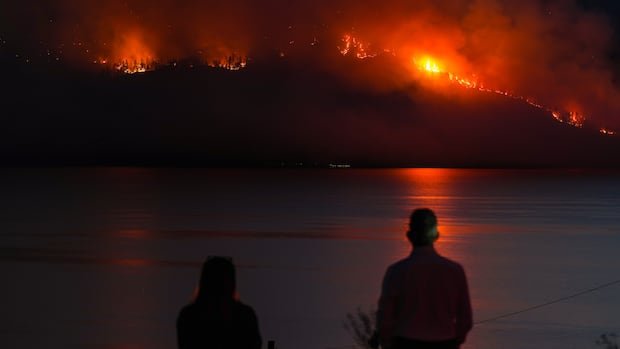

In a resurgence of the Pacific Ocean warming event known as a “super” El Niño or a “Godzilla” El Niño, global weather patterns are being disrupted, coinciding with already elevated temperatures across many parts of the world. North America and Europe experienced record-breaking heatwaves in July, leading to numerous heat-related fatalities, dried-up water sources, and widespread wildfires, including in Canada where over 4.1 million hectares of forest have burned, enveloping regions in thick smoke.
Climate scientists stress that while this scorching summer aligns with the return of El Niño, the phenomenon is not solely responsible for the extreme weather occurrences. However, experts warn that the natural event could potentially intensify the impact of extreme weather events exacerbated by human-induced climate change.
According to Josh Willis, a climate scientist at NASA’s Jet Propulsion Laboratory, the effects of El Niño are anticipated to be extensive and impactful across a vast area. He forewarns of significant disruptions, urging readiness for what lies ahead.
El Niños occur every three to seven years, with surface water temperatures in the Pacific rising at least 0.5 degrees Celsius above average, leading to atmospheric rearrangements. This phenomenon can result in altered weather patterns, causing regions to experience unusual shifts in precipitation levels.
While El Niño may have initiated during the same period as the onset of heatwaves and fires in the northern hemisphere, its full impact on regions like Canada is expected to peak in late fall and winter. Scientists highlight the exceptional nature of the current El Niño, suggesting it may rival the strength of previous significant occurrences in 2015-16 and 1997-98.
Anticipated impacts of the current El Niño include warmer winter conditions for Canada and the northern U.S., with potential changes in precipitation patterns. Additionally, El Niño-related effects are already observable in tropical regions, such as threats to fisheries in Peru and Ecuador.
The ongoing El Niño event is taking place in a world already experiencing heightened temperatures due to climate change, potentially leading to unforeseen outcomes. Scientists caution that the current El Niño’s effects are likely to persist well into 2027, with a prolonged impact on global weather patterns.
The article discusses the complex interplay between El Niño and climate change, emphasizing the need for continued research and vigilance in the face of evolving weather patterns and extreme events.