
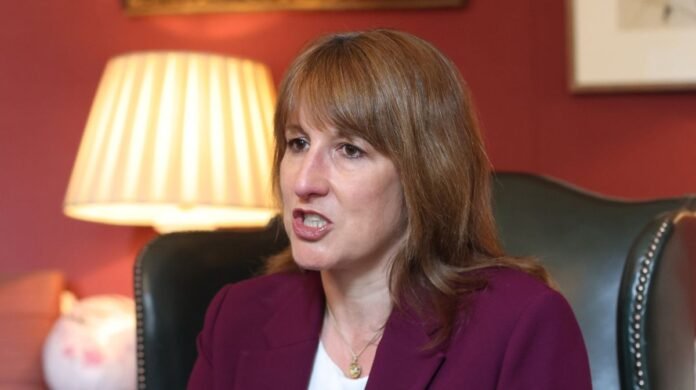

In a recent interview with The Mirror, Rachel Reeves criticized the economic repercussions of the Iran war caused by the United States, labeling the absence of a clear exit strategy as a “folly.” The Chancellor expressed her frustration and anger towards America’s actions, emphasizing the adverse effects felt by families across Britain due to the surge in gas prices following the closure of the vital Strait of Hormuz, responsible for transporting 20% of the world’s oil.
A leading think-tank, the Resolution Foundation, issued a warning that the average UK household could face a £480 decrease in financial well-being this year as a result of the conflict. Despite disputing the exact figure, Ms. Reeves assured that the government would closely monitor gas and electricity prices to mitigate the impact.
Ms. Reeves highlighted the repercussions of the blocked Strait of Hormuz, emphasizing the importance of finding solutions to ensure passage through it. She emphasized the UK’s stance on not participating in the US blockade and advocated for de-escalation throughout the conflict, contrasting it with the aggressive approach favored by other political factions.
Regarding the situation’s impact on families and businesses, Ms. Reeves expressed her concerns about inflation, interest rates, and economic growth projections that were previously positive before the conflict escalated. She criticized the lack of clarity in the war’s objectives and exit strategy, underscoring the need for prudent decision-making to avoid long-term financial consequences.
The Chancellor also addressed the recent decrease in energy bills for the average family and reassured that the government would take necessary actions to support vulnerable households in case of any surges in energy prices. She emphasized the importance of targeted support to avoid burdening taxpayers with future financial repercussions.
Ms. Reeves refrained from advocating for an emergency Budget, stating that de-escalating the conflict was the most effective way to stabilize energy prices. She emphasized the role of global cooperation, particularly led by Prime Minister Keir Starmer, in resolving the crisis and reopening the vital trade route of the Strait of Hormuz.