
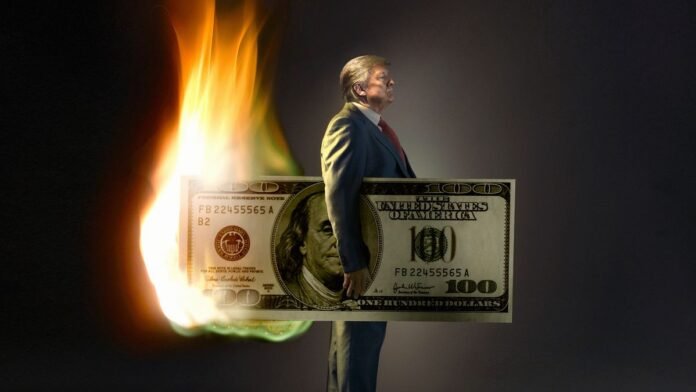

Workers are burdened by ongoing crises they did not create as conflicts in different parts of the world impact daily life. Amidst American and Israeli military actions in Tehran, energy costs in Britain are expected to soar to nearly £2,000 per year. The interconnectedness of global events means that issues in one region have far-reaching consequences, as seen with the current energy crisis in the UK.
The reliance on imported energy and food due to years of neglect in domestic production has left the UK vulnerable to price spikes. The recent surge in gas prices highlights the consequences of depending on external sources for essential resources. Meanwhile, while workers struggle with rising bills, some entities are profiting from the turmoil, with American oil producers and LNG exporters seeing significant financial gains.
Calls for profit regulations are gaining traction to address the disparity between corporate gains and household expenses. The pattern of crises benefiting the wealthy while the general populace bears the brunt is a recurring theme. The lack of protection for workers’ wages and living standards amidst economic turbulence has fueled discontent among the working class.
The narrative of profiteering at the expense of workers extends to various crises, including the impact of the Covid pandemic and geopolitical conflicts. As prices soar and wages stagnate, ordinary individuals are left to bear the economic fallout while the wealthy continue to profit. The lack of support for essential workers and the increasing financial strain on the general population underscore the need for a fairer system that prioritizes workers’ well-being.
The current situation has eroded traditional political allegiances, with workers feeling increasingly marginalized by government policies. The failure to address the challenges faced by the working class has led to disillusionment and a shift in political dynamics. As the landscape evolves, trade unions are called upon to advocate for workers’ rights and push for a more equitable society.
Amidst discussions on transitioning to a greener economy, the emphasis is on preserving jobs and ensuring a sustainable future. Balancing environmental concerns with economic stability is crucial to avoid job losses and safeguard national security. The need to invest in critical sectors like energy, steel, and water infrastructure is paramount to secure essential services for the population.
Trade unions play a pivotal role in advocating for workers’ rights and ensuring fair treatment in the workplace. The focus is on empowering workers and challenging unjust practices that undermine their livelihoods. By actively engaging in issues that affect their members, trade unions uphold their core mission of fighting for better working conditions and wages.
Debates around state pensions and universal benefits highlight the importance of social welfare policies that benefit all segments of society. Ensuring that everyone has a stake in the system is vital for social cohesion and economic stability. Attempts to restrict fundamental rights like the right to protest and changes to legal procedures raise concerns about the erosion of democratic values and freedoms.
As societal challenges evolve, it is imperative to address the underlying issues that impact workers and ordinary citizens. Trade unions and advocacy groups play a crucial role in advocating for a fairer and more equitable society where the well-being of workers is prioritized. The ongoing struggle for economic justice and social welfare underscores the need for collective action and solidarity among workers.