
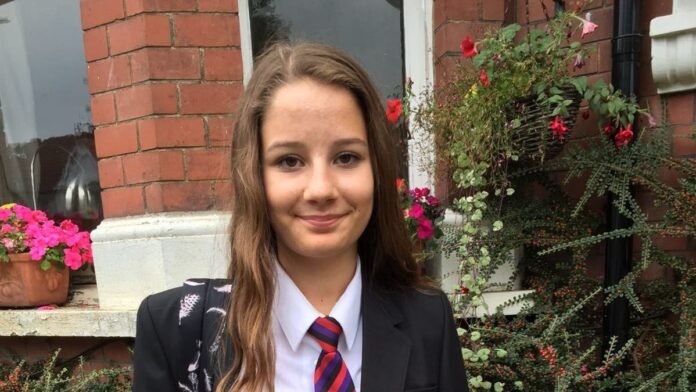

The father of Molly Russell has cautioned Keir Starmer against hasty decisions on implementing a social media ban, following recent research indicating that a majority of children in Australia still manage to access these platforms despite age restrictions.
Ian Russell, whose 14-year-old daughter tragically ended her life in 2017 due to the negative impact of social media, emphasized to the Prime Minister the importance of avoiding missteps in addressing online safety concerns. He stressed the need for any actions taken in the UK to be based on solid evidence.
Although Australia enforced a ban on social media access for individuals under 16 in December, a new survey revealed that three out of five (61%) Australian youths aged 12 to 15 are still active on one or more restricted platforms.
The research indicated that major social media companies have retained a significant portion of their young users, with 53% of former TikTok users, 53% of YouTube users, and 52% of Instagram users maintaining access to their accounts.
Conducted by the Molly Rose Foundation and YouthInsight, Australia’s largest online youth panel, the survey involved 1,050 children aged 12-15. The Molly Rose Foundation, established in memory of Molly, expressed concerns about the implications of Australia’s social media ban, suggesting that it may provide a false sense of security to parents.
Ian Russell urged Keir Starmer to lead the UK in online safety by enacting evidence-based legislation that meets the demands of parents. He warned against hastily adopting an Australian-style ban, emphasizing the need for effective measures that truly protect children online.
Andy Burrows, CEO of the Molly Rose Foundation, echoed these sentiments, emphasizing the risks associated with replicating Australia’s social media ban in the UK. He argued that a ban may not deliver the intended safety benefits and could ultimately fail to enhance online safety and well-being for children.
The UK Government is currently exploring various options to enhance children’s social media safety, including addressing addictive design features and imposing curfews. The possibility of implementing a social media ban for individuals under 16 is also being considered as part of an ongoing three-month consultation.
A DSIT spokesperson highlighted the importance of making informed decisions based on the research findings. The consultation aims to evaluate a range of measures, from digital curfews to a potential social media ban, ensuring that any actions taken are technically feasible, enforceable, and hold platforms accountable for providing genuine protection to children and parents.