

Keir Starmer criticized Israel for launching extensive attacks on Lebanon and expressed concerns about the delicate Iran-US ceasefire being at risk.
The UK Prime Minister denounced Tel Aviv’s ongoing bombings, stating they were unjustified and raised doubts about the sustainability of the two-week ceasefire initiated by Donald Trump. Starmer acknowledged the complexity of determining if the strikes violated the ceasefire but emphasized the urgent need for them to cease immediately.
Shortly after the ceasefire announcement, Israel escalated its military actions against Hezbollah in Lebanon, claiming it fell outside the ceasefire terms. However, Iran accused Israel of breaching the agreement.
Starmer also rebuked Donald Trump for his aggressive language towards Tehran and his controversial remarks about Iranian civilization. The UK leader stressed the importance of upholding British values and principles in handling international conflicts.
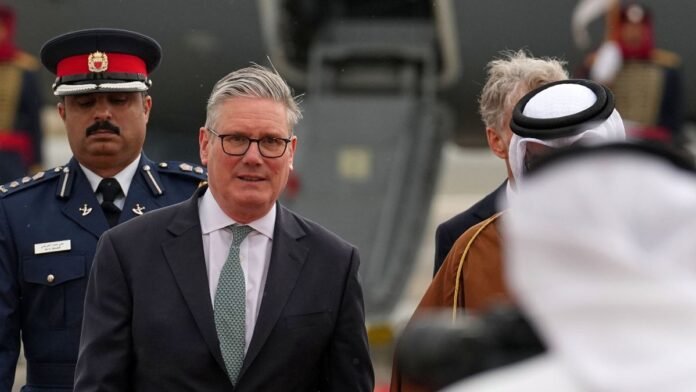
During his Middle East visit, Starmer engaged with regional allies in Bahrain, Saudi Arabia, and the United Arab Emirates. These Gulf nations have faced retaliatory attacks from Iran following the US-Israeli military campaign, targeting American military installations and energy infrastructure with missiles and drones.
Regarding Israel’s attacks on Lebanon, Starmer emphasized the moral imperative for them to end, regardless of technical ceasefire violations. He underscored the significance of adhering to principles and ensuring all actions align with the ceasefire agreement.
Starmer highlighted the UK’s commitment to monitoring the use of its military bases by the US, emphasizing the strict adherence to principles of collective self-defense and avoiding involvement in offensive actions.
The issue of safe passage through the Strait of Hormuz was crucial, especially after Iran’s blockade disrupted global oil and gas supply chains, leading to price hikes. Starmer stressed the need for unimpeded navigation through the strait, emphasizing toll-free access for vessels.
Following discussions with regional leaders, Starmer expressed solidarity with Saudi Arabia and the UAE, acknowledging the shock of the attacks and the relief brought by the ceasefire. He emphasized the fragility of the ceasefire and the necessity of sustained efforts to maintain peace in the region.
Starmer cautioned against returning to a pre-crisis “normal,” calling for substantial changes to address longstanding issues affecting living standards, public services, and political engagement. He emphasized the need for proactive responses in various critical areas to drive meaningful transformation.
Yvette Cooper also weighed in, warning against Iran imposing tolls on the Strait of Hormuz, stressing the importance of upholding international maritime laws and conventions to ensure free transit through vital waterways.
Additionally, the Foreign Secretary raised concerns about Israel’s actions in Lebanon potentially destabilizing the entire region. Cooper advocated for extending the ceasefire to cover Lebanon, emphasizing the importance of halting hostilities in the country to prevent further escalation and promote regional stability.