
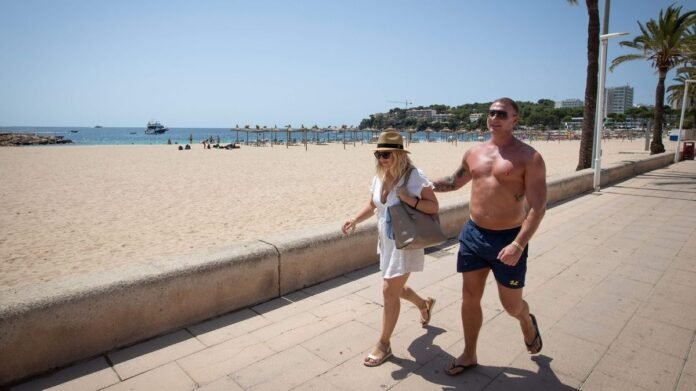

Clubs in a popular Spanish holiday destination frequented by British tourists are adjusting their operating hours due to a decrease in visitors. The head of hospitality in Majorca has expressed concerns about lower earnings in bars, restaurants, and clubs on the sunny island this year. Despite an influx of vacationers in the Balearic Islands, club attendance is dwindling, according to Miguel Pérez-Marsá, president of the ABONE nightlife association.
Efforts are being made to maintain competitive prices to attract customers, as the upcoming summer is expected to see higher flight and accommodation costs. To mitigate expenses, businesses are reducing their operating hours and focusing more on weekends, trimming weekday schedules to cut staffing costs.
The peak season for clubs has been shortened from June 20 to August 20, with worries about Majorca’s nightlife scene escalating since the pandemic lockdowns. Concerns have also been raised about the housing crisis and tourist overcrowding, with recent protests in Palma urging immediate action from the government. Bar owners fear that anti-tourism sentiments may impact their businesses negatively.
Tourism plays a significant role in generating revenue for the islands, accounting for 45% of their income. While visitor numbers to the Balearic Islands remain high, there has been a notable decline in German tourists, a key demographic for Majorca. The reduction in German visitors has been attributed to anti-tourism protests, which have led to doubts among travelers about the island’s receptivity to vacationers.
Despite the ongoing challenges, the Balearic Islands continue to attract millions of visitors, comprising Majorca, Minorca, Ibiza, and Formentera. The hospitality industry remains vigilant about sustaining tourism amid changing dynamics, with concerns about global warming impacting perceptions of Mediterranean destinations during the peak summer season.