
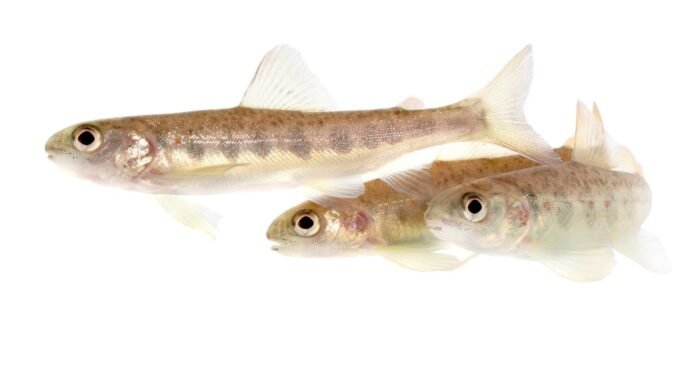

A recent study has shown that cocaine pollution from human activities is causing salmon to behave erratically in their natural habitat. Researchers found that traces of the illegal drug are affecting fish behavior, particularly in Juvenile Atlantic salmon, causing them to swim longer distances and spread out more widely. This study, published in the journal Current Biology, is the first to demonstrate the impact of cocaine contamination on fish behavior in real-world settings rather than controlled laboratory conditions.
To investigate the effects of pollutants on animal movement, an international team of scientists monitored 105 juvenile Atlantic salmon in Lake Vättern, Sweden, over an eight-week period. The fish were divided into three groups: a control group, a group exposed to cocaine, and a group exposed to benzoylecgonine, a cocaine metabolite commonly found in wastewater.
The research revealed that fish exposed to benzoylecgonine swam almost twice as far per week as unexposed fish and spread out over 12.3 kilometers wider across the lake. These changes became more pronounced over time, indicating that exposure to the drug altered the fish’s spatial behavior within the ecosystem.
Dr. Marcus Michelangeli, one of the study’s co-authors, emphasized the importance of understanding how pollutants impact animal movements. He highlighted that changes in fish movement can influence their feeding habits, interactions with other species, and overall population dynamics, potentially affecting ecosystems in unforeseen ways.
While previous studies suggested that cocaine could alter animal behavior, this study provides concrete evidence of these effects occurring in natural environments. The researchers also found that the cocaine metabolite benzoylecgonine had a more significant impact on fish movement than cocaine itself.
The study underscores the need to reevaluate current risk assessments of water pollutants, as metabolites like benzoylecgonine may have more biological consequences than previously recognized. However, the researchers clarified that the levels of exposure in the study reflected those typically found in polluted waterways, and the fish studied were juveniles below legal catch size, posing no risk to human consumers.
Dr. Michelangeli from Griffith University’s Australian Rivers Institute emphasized the broader concern of various pollutants entering aquatic ecosystems and warned of the potential repercussions on wildlife. He stressed the need for further research to determine the extent of these effects, identify vulnerable species, and assess the long-term impacts on fish survival and reproduction.
The study sheds light on the complex interactions between human activities and natural ecosystems, highlighting the urgent need for more comprehensive monitoring and management of environmental pollutants.